
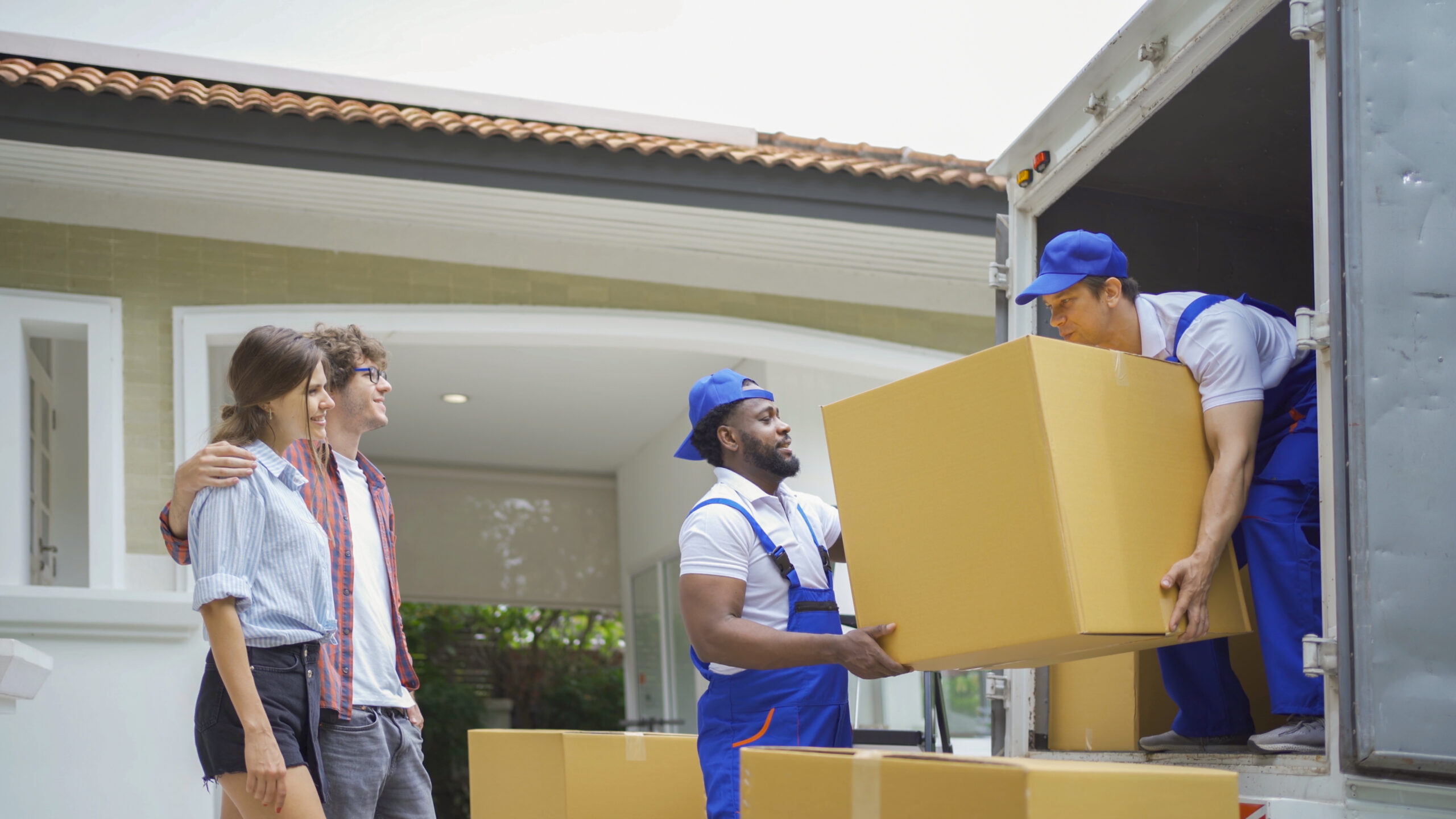
Moving in bad weather is a daunting task that requires careful planning and the support of experienced local movers in Redding, CT. Whether it’s rain, snow, or high winds, the right strategies and a team of capable movers can make all the difference. Find out how you can efficiently move without ruining your things!
Table of Contents
- Introduction
- Key Takeaways
- Preparing for Your Move in Bad Weather
- Selecting the Right Local Movers
- Packing and Protecting Your Belongings
- On Moving Day – Coordination and Safety
- Post-Move Considerations
- Frequently Asked Questions (FAQs)
Key Takeaways
-
Effective preparation involves checking weather forecasts, securing necessary supplies, and implementing tailored strategies for various weather conditions.
-
Choosing reliable local movers requires thorough research and evaluating experience and policies, especially concerning bad weather conditions.
-
Focus on waterproof and secure packing, using quality materials and techniques to safeguard items against the challenges posed by adverse weather.
-
Ensure clear communication with your movers, maintain safety protocols and adjust plans as necessary to handle the dynamic weather situation.
-
After the move, assess any damages, provide feedback to your movers, and take steps to comfortably settle into your new home, reflecting on the move’s successes and lessons.
Preparing for Your Move in Bad Weather
Moving in adverse weather conditions requires a well-thought-out plan and the expertise of seasoned local movers nearby. Effective preparation is the key to a successful move, especially when the weather is unpredictable.
Checking the Weather Forecast in Advance
- Start Monitoring Early: Begin checking the weather forecast at least a week before your scheduled move. This gives you a heads-up on what to expect and time to make any necessary adjustments.
- Use Multiple Sources: Don’t rely on a single weather source. Check various weather apps and local news for the most comprehensive forecast.
- Understand the Forecasts: Learn to interpret weather predictions. Knowing the difference between a weather watch and a warning can significantly impact your moving plans.
- Plan for Contingencies: Have a backup plan in case the weather turns out to be worse than expected. Discuss these scenarios with your local movers to ensure they are also prepared for any changes.
- Stay Updated: Weather conditions can change rapidly within a day. Keep monitoring the forecast up to and on your moving day. Quick, informed decisions can save a lot of trouble.
Necessary Preparations for Rain, Snow, or Wind
- Waterproof Packing Materials: Invest in quality waterproof boxes, plastic wraps, and sealable bags. Protecting your belongings from moisture is crucial in rainy or snowy conditions.
- Protecting Fragile Items: Use bubble wrap and packing peanuts for additional protection. Even the most careful local movers, like Shepard’s Moving And Storage, can encounter challenges in bad weather, and extra cushioning helps safeguard fragile items.
- Secure Outdoor Pathways: Clear pathways of snow, ice, or debris. Apply salt or sand to icy surfaces to prevent slips and falls for you and the movers.
- Prepare Your New Home: Make sure your new residence is ready for your arrival in bad weather. This includes clearing driveways, ensuring utilities are working, and having a space designated for wet items.
- Have Cleaning Supplies Ready: Keep towels, mops, and cleaning products handy. These will help manage any dirt or water that gets tracked in during the move.
Selecting the Right Local Movers
When facing a move in bad weather, searching for “local movers near me” in Redding, CT, becomes even more critical. The right movers can mean the difference between a smooth transition and a challenging ordeal.
Researching and Evaluating Local Moving Companies
- Start with Online Research: Begin your search by looking up local movers online. Check out their websites and social media profiles for insights into their services and customer experiences.
- Read Customer Reviews and Testimonials: Customer feedback is invaluable. Look for reviews on third-party websites to get an unbiased view of the movers’ reliability, especially in handling moves during bad weather.
- Check for Licensing and Insurance: Ensure the local movers are licensed and insured. This is crucial for the safety and security of your belongings, particularly important when moving in unpredictable weather.
- Experience Matters: Look for local movers with significant experience, particularly in moving in bad weather. Experienced movers will have the necessary skills and equipment to handle your belongings safely, no matter the weather conditions.
- Assess Their Customer Service: Contact the moving companies and assess their customer service. How they handle your inquiries reflects their overall approach to service. Prompt, courteous, and helpful responses are good signs.
Additional Considerations for Special Items
- Discuss Special Care for Fragile Items: If you have fragile or high-value items, discuss how these will be handled. Good local movers will offer specialized packing and handling for such items.
- Talk About Large or Bulky Items: Discuss the plan for large or bulky items. In bad weather, moving these items requires extra care and equipment.
- Plan for Electronics and Appliances: Electronics and appliances need special attention during bad weather moves. Ensure that the movers have a plan to protect these items from moisture and extreme temperatures.
- Inquire About Storage Options: Sometimes, unexpected weather conditions may require temporary storage solutions. Ask if the local movers provide or coordinate with storage facilities.
- Special Arrangements for Pets and Plants: If you are moving with pets or plants, discuss any special arrangements that might be necessary to ensure their safety during the move.
Packing and Protecting Your Belongings
Proper packing can safeguard your items from the elements, reducing the risk of damage. Engaging skilled local movers like Shepard’s Moving And Storage, who are adept at handling belongings in various weather conditions, can also significantly contribute to the safety of your items.
Best Practices for Waterproof Packing
- Choose the Right Materials: Invest in high-quality, waterproof, or water-resistant materials. Plastic bins, heavy-duty packing tapes, and waterproof labels can withstand harsh weather conditions better than standard cardboard boxes.
- Wrap Items Individually: Wrap each item separately in bubble wrap or waterproof material, especially electronics and other sensitive items. This provides an additional layer of protection against moisture.
- Seal Boxes Tightly: After packing, ensure that all boxes are sealed tightly with waterproof packing tape. This prevents water from seeping in during transit.
- Use Plastic Covers: For larger items like furniture, use specially designed plastic covers. These covers can protect against rain, snow, and dirt.
- Label Everything Clearly: Label all boxes clearly with waterproof markers. This not only helps in organizing but also ensures that local movers handle each item appropriately, especially those that are fragile or need to be kept dry.
Preparing Special Items for Weather-Related Challenges
- Art and Antiques: Wrap art pieces and antiques in acid-free paper followed by bubble wrap. Consider custom crating for extremely valuable items.
- Electronics: Remove batteries and backup data from electronic devices. Wrap electronics in anti-static bubble wrap and seal them in waterproof bins or bags.
- Books and Documents: Pack books and important documents in waterproof containers or bags. Silica gel packets can be added to absorb any moisture.
- Clothing and Fabrics: Use vacuum-sealed bags for clothing, bedding, and other fabrics. This not only protects them from water but also saves space.
- Fragile Items: Use double-boxing for extremely fragile items. Place the item in a box with cushioning, and then place this box inside a larger box with additional padding.
The moving day is a critical phase, especially when dealing with bad weather. Coordinating effectively with your local movers in Redding, CT, and ensuring safety for everyone involved are paramount.
Effective Communication with Your Movers
- Establish a Communication Plan: Set up a clear communication plan with your local movers nearby. Decide on the primary mode of communication, be it phone calls, text messages, or another method, to ensure seamless updates throughout the day.
- Confirm the Schedule: Reconfirm the moving schedule with the local movers. Bad weather can cause unexpected delays, so it’s important to stay flexible and adjust the timeline as needed.
- Discuss the Moving Plan: Go over the moving plan once more with the movers. Ensure that they are aware of any items that require special attention or handling.
- Monitor Weather Changes: Keep an eye on the weather throughout the day. If there are sudden changes in weather conditions, communicate this promptly to your movers to make necessary adjustments.
- Designate a Point Person: If possible, assign a family member or friend to be a point of contact. This person can coordinate with the local movers while you handle other moving day responsibilities.
Ensuring Safety During the Move
- Prepare for Inclement Weather: Equip yourself and your helpers with appropriate gear for the weather, such as raincoats, boots, and gloves. This is important for personal safety and efficiency.
- Clear Pathways: Ensure all paths the movers will use are clear of snow, ice, or debris. Maintaining clear pathways minimizes the risk of slips and falls.
- Protect Indoor Spaces: Lay down protective coverings on floors and carpets to prevent water and mud from being tracked inside. This step is essential to protect your property and maintain safety.
- Practice Safe Lifting Techniques: Remind everyone, including professional local movers like Shepard’s Moving And Storage, to use safe lifting techniques. Heavy lifting in bad weather can lead to injuries if not done correctly.
- Stay Hydrated and Take Breaks: Bad weather, like cooler air, can be taxing on the body. Encourage everyone to stay hydrated and take regular breaks to avoid exhaustion.
After the move, especially one conducted in challenging weather conditions, there are several important steps to take to ensure everything is in order. These steps are crucial for closing the chapter on your moving process and starting your new life in your new home.
Unpacking and Damage Assessment
- Systematic Unpacking: Begin by systematically unpacking your items, starting with essentials. This organized approach helps in quickly setting up your new space and identifying any damage that may have occurred during the move.
- Inspect for Weather-Related Damage: As you unpack, carefully inspect each item for any weather-related damage. Pay particular attention to electronics, antiques, and other sensitive items that could be affected by moisture or temperature changes.
- Document Any Damage: If you find any damage, document it with photographs and detailed notes. This documentation will be essential if you need to file a claim with the local movers or your insurance company.
- Contact Your Local Movers: If you discover any damage, contact your local movers promptly. Reputable movers will be willing to address and resolve any issues related to the move.
- Settle Insurance Claims: If you have moving insurance, file a claim as soon as possible. Provide all necessary documentation to ensure a smooth claim process.
Adjusting to Your New Home
- Familiarize Yourself with the Area: Explore your new neighborhood to familiarize yourself with essential amenities like grocery stores, hospitals, and schools.
- Set Up Utilities and Services: Ensure that all utilities and services are set up and functioning correctly in your new home. This includes checking for any weather-related issues in your new location.
- Meet the Neighbors: Introduce yourself to your neighbors. Building a good rapport with them can provide a sense of community and helpful local insights.
- Create a Maintenance Checklist: If your new home has been affected by the weather during the move, create a maintenance checklist. Address any immediate concerns and plan for long-term care.
- Relax and Unwind: Finally, give yourself time to relax and unwind after the move. Moving is a significant life event, and taking time to settle in mentally and emotionally is just as important as the physical unpacking.
Secure Your Move With Shepard’s Moving And Storage
Whether you’re facing the unpredictability of a rainstorm, the severity of a snowstorm, or the challenges of windy conditions, Shepard’s Moving And Storage offers the expertise, resources, and dedication needed to ensure your move is as smooth and stress-free as possible. Reach out to us to see how we can help you move during bad weather.
Frequently Asked Questions
What is the best way to prepare for potential power outages during a move in bad weather?
When moving in adverse weather conditions, it’s important to be prepared for potential power outages. Have a supply of flashlights, batteries, and portable chargers handy. You can also discuss with your local movers if they have any specific recommendations or provisions for such scenarios.
How can I ensure my pets are safe and comfortable during a move in bad weather?
Ensuring the safety and comfort of your pets during a move in bad weather is crucial. Keep them in a secure, comfortable area away from the chaos of moving. If the weather is extreme, consider a pet-friendly hotel or staying with friends or family until the move is complete. Inform your local movers about your pets to ensure everyone’s safety.
What are some tips for maintaining my mental and physical well-being during the stress of moving in bad weather?
Moving in bad weather can be stressful. To maintain your well-being, take breaks when needed, stay hydrated, and try to keep a positive outlook. Delegate tasks to family, friends, or your local movers to avoid overexertion. Remember, it’s okay to ask for help.
Are there specific types of moving insurance that are better for moves in bad weather?
Yes, when moving in bad weather, opting for comprehensive moving insurance that covers weather-related damages is advisable. Discuss their insurance options with your local movers, and also check with your home insurance provider for additional coverage.
How can I effectively clean and restore my old and new home after moving in bad weather?
Moving in bad weather often requires additional cleaning efforts. For your old home, ensure a thorough clean-up after the movers have left, focusing on areas where the weather may have dirtied. In your new home, start by cleaning high-traffic areas and places where boxes and furniture were placed. Enlist the help of professional cleaners if necessary.
What should I do if an unexpected weather event completely disrupts my moving plans?
If an unexpected weather event disrupts your moving plans, contact your local movers immediately to discuss rescheduling options. Check your moving contract for policies related to weather disruptions. Keep safety as your top priority, and avoid moving in dangerous conditions.
How can I ensure efficient communication with my local movers if cell service is poor due to bad weather?
In areas where bad weather might affect cell service, establish alternative communication methods with your local movers beforehand. Consider using walkie-talkies for real-time communication or establish predetermined check-in times using landlines if available.
What are the best ways to protect large outdoor items during a move in bad weather?
Protecting large outdoor items during a move in bad weather involves several steps. Cover them with waterproof tarps or specially designed covers. If possible, dismantle larger items to make them easier to move and protect.
What should I do if my belongings get wet during the move, despite all precautions?
If, despite all precautions, your belongings get wet during the move, it’s important to act quickly to prevent damage. Unpack wet items as soon as possible and allow them to dry out completely. For electronics, it’s advisable to consult a professional before turning them on. If you have valuable or delicate items that are water-sensitive, discuss restoration options with a professional.